
Introduction — Why Recovery Is the Competitive Edge
Training hard wins practice; recovering smart wins seasons. For footballers at every level — academy, semi-pro, or professional — recovery is where gains become sustainable. But recovery isn’t only physical. Mental load, travel stress, and anxiety about injury also slow your comeback.
That’s why mindful recovery for footballers matters. It’s the practice of combining evidence-based physical recovery (sleep, nutrition, mobility) with mental techniques (breathwork, imagery, body awareness) to speed healing, reduce re-injury risk, and sharpen on-field performance.
In this post you’ll find actionable routines you can use tonight, real player examples from the UK and USA, coach-friendly implementation tips, and a rehab-friendly pathway to return-to-play — all tailored to football life.
Real Player Snapshot: How Mindful Recovery Helped Two Players
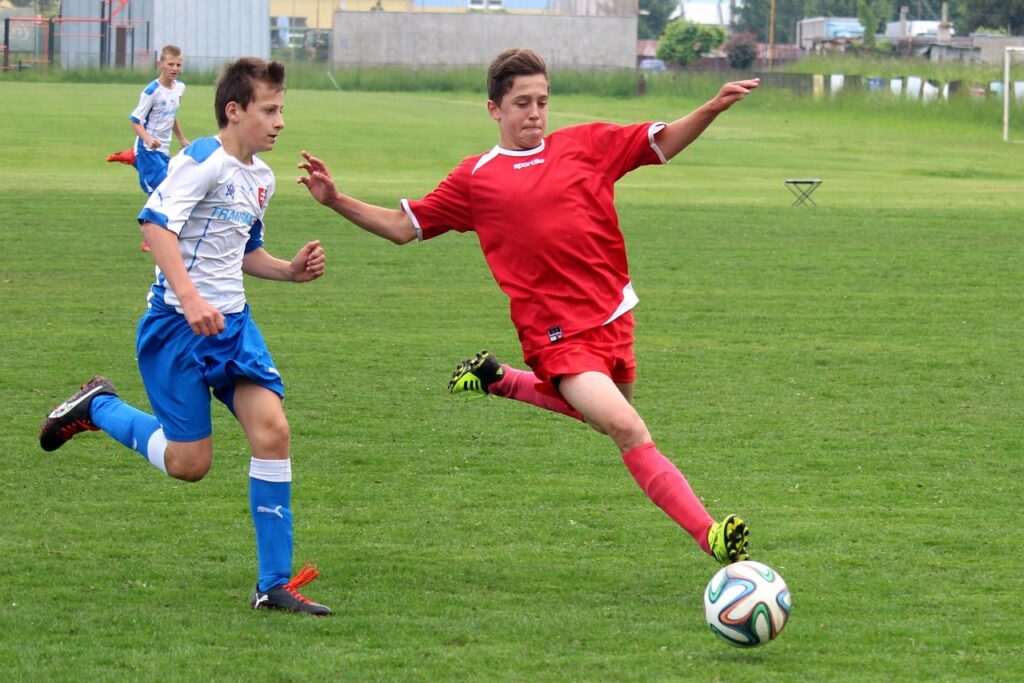
- Ethan — Liverpool, UK (youth centre-back): After a hamstring strain Ethan struggled with mixed messages and worry about re-injury. With a physiotherapist and a short daily body-scan plus targeted sleep routine, Ethan regained confidence and returned to full training in weeks, not months.
- Sam — Portland, USA (college winger): Heavy travel and late-night tournaments wrecked Sam’s sleep. He adopted a 60-minute pre-sleep ritual—digital curfew, light protein snack, 5-minute breathing — and saw measurable improvements in morning reaction times and training intensity.
These are practical examples showing that recovery becomes faster and more reliable when you treat the mind and body together.
What Is “Mindful Recovery for Footballers”?

Mindful recovery for footballers blends standard recovery practices with mindfulness tools:
- Physical: sleep optimization, hydration, targeted nutrition, mobility, contrast therapy
- Mental: breath control, guided imagery, progressive muscle relaxation, body scans
- Practical: structure, routine, and the small habits that reliably restore readiness
Mindful recovery is not about adding a new lengthy routine. It’s about stacking short, high-impact practices into what you already do — downtime, travel, half-time, and post-training. Click Here to know how football strikers stay focused on their game.
1 — Sleep: The Most Important Recovery Tool (and How to Mindfully Improve It)

Sleep is non-negotiable for tissue repair, memory consolidation, and decision-making. Here’s a coach-friendly sleep plan that pairs hygiene with mindful pre-sleep work.
Sleep checklist for footballers
- Target: 7–9 hours per 24h (naps added strategically after late shifts)
- Wind-down ritual (30–60 min pre-sleep):
- Phone on airplane mode; blue-light off
- 10-minute gentle mobility + progressive muscle relaxation (PMR)
- 5 minutes of box breathing (inhale 4 — hold 4 — exhale 6)
- Environment: cool room (16–19°C), dark, earplugs if needed
- Napping: 20–30 minute power nap in the early afternoon only
Micro-practice: 5-minute pre-sleep body scan
Lie on your back. Close your eyes. Scan toes → head, breathing into tight spots. Breathe slowly for five minutes. This calms adrenaline and signals the nervous system to recover.
Click here to know why good sleep is important in sports.
2 — Nutrition & Hydration: Fueling Recovery Mindfully
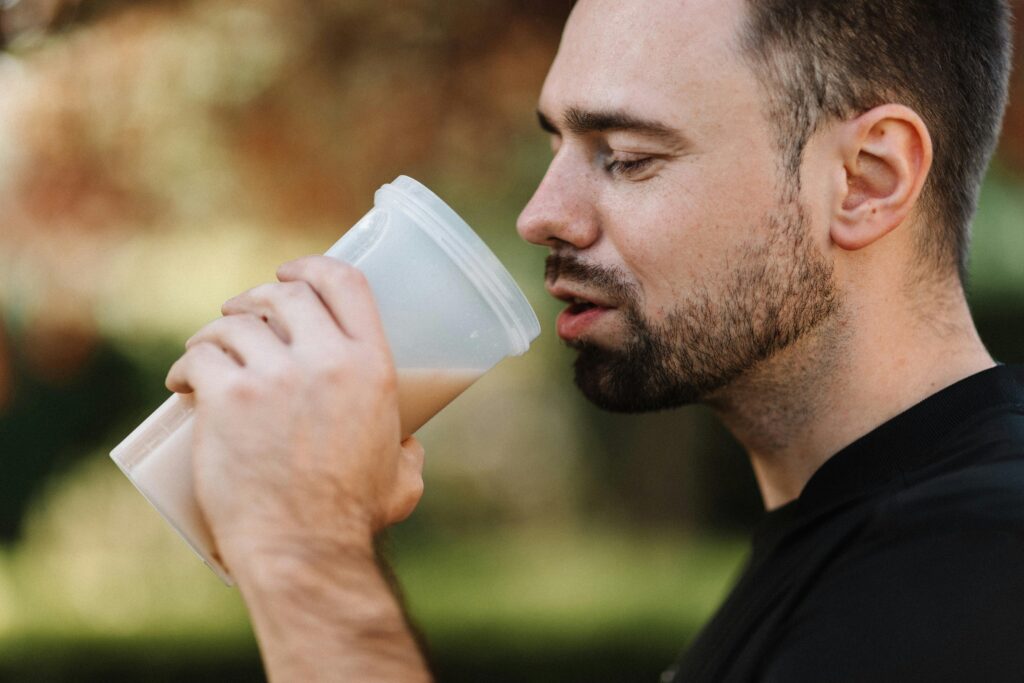
Food is therapy for stressed muscles. The mindful element is attention and routine — eat to restore and reduce inflammation.
Recovery nutrition basics
- Protein: 20–30g within 30–60 minutes post-session (lean meat, dairy, plant protein)
- Carbohydrates: to top up glycogen (rice, potatoes, fruit) after long sessions
- Omega-3s & antioxidants: fish, berries, nuts reduce inflammation
- Hydration: weigh before/after training; 1–1.5L per kg lost during high sweat sessions
Mindful eating practice (2–5 minutes):
Before meals, pause 30 seconds. Breathe. Notice smells and textures while slowly chewing. This improves digestion and reduces stress eating that undermines recovery.
3 — Breath & Nervous System Tools: Fast Reset on and off the pitch

Breathwork is portable and powerful — ideal for travel, half-time, pre-match nerves, and pain management.
Three portable breath tools
- Box breathing (2–3 minutes): 4-4-4-4 rhythm to reduce sympathetic arousal.
- Extended exhale (90 seconds): inhale 4 — exhale 8. Great for calming before kick-offs.
- Coherence breath (2 minutes): 5 seconds in, 5 out. Stabilizes heart rate variability (HRV).
Use breathwork before sleep, on long journeys, after heavy sprints, or before penalty kicks.
How football defenders can improve their game? Click here to know.
4 — Movement, Mobility & Load Management
Mindful movement focuses on sensing the body rather than forcing it. That prevents overloading injured or fatigued tissues.
Recovery movement session (15–20 minutes)
- Phase 1: gentle aerobic (5 min easy bike/walk)
- Phase 2: mobility sequence (ankle circles, hip openers, thoracic rotations)
- Phase 3: targeted activation (glute bridges, deadbugs)
- Phase 4: breath + brief body scan (2 min)
Keep intensity low; focus on control. If something hurts sharply, stop and reassess.
5 — Injury Rehab: Mindful Return-to-Play Steps
In rehab, fear of re-injury is as big a barrier as tissue healing. Mindful recovery integrates graded exposure plus mental rehearsal.
Mindful rehab roadmap
- Clear baseline: objective mobility/strength metrics with physio.
- Short daily rituals: 3-minute body scans and gentle movement to normalize sensation.
- Imagery practice (2–5 minutes): visualize performing the rehab movement perfectly — kinesthetic detail, movement timing.
- Progressive loading: small objective increases (e.g., +10% volume) guided by pain-free progress.
- Return-to-play simulation: low-pressure drills with 60–90 second breath resets between reps.
Note: Always combine with professional physio guidance. Mindful techniques reduce fear, but tissue protocols must follow medical advice.
6 — Travel Recovery: A Footballer’s Reality & Mindful Fixes
Long bus/flight travel is a contact sport for recovery. Manage it with short rituals.
Travel checklist
- Compression socks on flights
- Hydration and electrolyte beverage during travel
- 10-minute mobility and breath session on arrival
- 20-minute early nap (if needed), then light activity to re-entrain circadian rhythm
Portable ritual: 5-minute seated body scan + box breathing mid-flight — low-profile and effective.
7 — Sleep, Nutrition & Rehab — Weekly Micro-Plan (Sample)
Monday: Recovery mobility + protein-rich evening meal + 5-min body scan before bed
Wednesday: Contrast shower post-training + guided breathwork pre-sleep
Friday (match day): Pre-match breath + micro-visualization; post-match micro-body scan; protein + carbs evening
Sunday: Active recovery session (walk + mobility) + weekly mindful review (10 min)
Consistency compounds gains. The weekly plan anchors habits to typical football rhythms.
Evidence & Why This Works (EEAT notes)
- Sleep and nutrition are fundamental to muscle repair and cognitive function (widely supported by sports science).
- Breathwork shifts autonomic tone beneficial for stress and readiness (supported by psychophysiological studies).
- Imagery and graded exposure are standard in sports psychology for confidence in return-to-play.
(When you publish, link to reputable sources — e.g., a sports medicine review, a university sleep center, or a sports psychology paper — to strengthen EEAT.)
Coach & Team Implementation: Making Mindful Recovery Practical
Coaches can make mindful recovery part of team culture without slowing training:
- 5-minute team wind-downs after hard sessions (guided by captain/physio)
- Pre-match visualization led by assistant coach during tactical briefings
- Weekly recovery metric (sleep quality, soreness ratings) tracked in the squad app
- Rehab check-ins where players set small recovery goals with physio and mental coach
Small, consistent signals from staff normalize recovery behaviors for the whole squad.
Common Mistakes & Fixes
- Mistake: Thinking mindfulness replaces strength & conditioning.
Fix: View it as multiplier — it improves recovery quality and consistency. - Mistake: Overcomplicating routines — players skip them.
Fix: Keep practices short, contextual, and scalable. - Mistake: Ignoring mental barriers in rehab.
Fix: Pair physio with imagery and graded exposure to rebuild confidence.
Q&A — Quick Player Questions
Q: How long until I notice benefits from mindful recovery?
A: Small benefits (better sleep, calmer pre-match nerves) can appear within days. More durable improvements in recovery and performance often appear in 2–6 weeks with consistent practice.
Q: Can mindfulness reduce soreness?
A: Mindful sleep, nutrition, and low-intensity mobility won’t eliminate DOMS, but they speed recovery and improve perceived soreness.
Q: Is guided imagery really helpful for injured players?
A: Yes — imagery maintains neural patterns and reduces fear, making physical rehab progress smoother when combined with graded loading.
Practical 7-Day Mindful Recovery Challenge (CTA)
Try this 7-day plan:
- Day 1: 5-minute pre-sleep body scan
- Day 2: 2-minute box breathing before training
- Day 3: Mindful protein-rich recovery meal (no screens)
- Day 4: 10-minute mobility + breath session post-training
- Day 5: Travel ritual (compression + 5-min breathing)
- Day 6: Visualization session (2–4 minutes pre-match simulation)
- Day 7: Weekly mindful review & adjust next week
Tell your coach or teammate you’re trying the 7-day challenge — accountability improves adherence. Share one small win after Day 1.
Safety & Professional Note
Mindful recovery practices are supportive tools — they do not replace medical diagnosis or prescribed rehabilitation. For injuries, follow the guidance of your medical and physiotherapy team.
Author Bio
Written by the CalmWithinMinutes Team — we create athlete-focused mindfulness routines that combine sports science and practical psychology to help players recover smarter and perform better.
Pingback: Mindful Nutrition for Footballers: Fuel Smarter, Recover Faster, Play Sharper - Calm Within Minutes